You've probably scrolled past an AI-generated image today without realizing it. They appear in social media feeds, news articles, dating profiles, product listings, and advertisements. As AI image generators improve, telling real from fake gets harder, but it's far from impossible.
This guide breaks down the differences between AI-generated and real images in simple terms, so you can start spotting fakes without any technical background.
Portraits and Faces
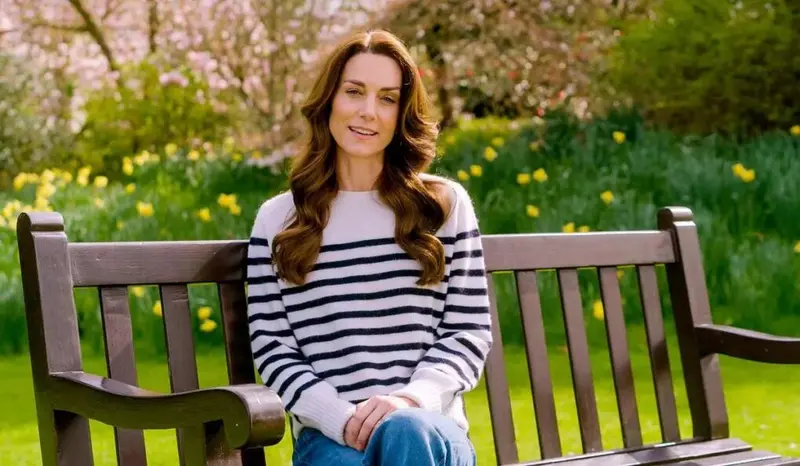
AI-generated faces are often the most convincing at first glance. Generators have gotten remarkably good at producing realistic-looking people. But zoom in and the cracks appear:
- Skin is too perfect. Real skin has pores, moles, fine wrinkles, and uneven texture. AI faces tend to have an airbrushed, plastic quality, even when they're supposed to look natural.
- Hair has odd transitions. Where hair meets the face, neck, or background, look for unnatural blurring, strands that appear to melt into skin, or flyaway hairs that defy gravity.
- Earrings and jewelry are asymmetric in wrong ways. Matching earrings should look like the same design. AI often generates earrings that are completely different styles from each other.
- Backgrounds behind people are inconsistent. A person might look perfect, but the room behind them has impossible architecture or blurred objects that don't resolve into anything recognizable.
Landscapes and Scenery
AI-generated landscapes often have a surreal, almost too-beautiful quality. Warning signs include:
- Water reflections that don't match what's above them
- Trees or plants that repeat in suspiciously similar patterns
- Horizon lines that curve or shift inconsistently
- Paths, fences, or power lines that start somewhere but don't end logically
- An overall "dreamlike" quality where everything is slightly too vivid or saturated
Text and Numbers
This is one of the easiest tells. AI generators consistently struggle with text. If an image contains signs, logos, book covers, license plates, or any readable text, examine it closely. You'll often find letters that look almost right but are slightly malformed, words that don't exist, or numbers that are scrambled. Even the latest models have trouble rendering text that is consistently correct across an entire image.
Animals
AI-generated animals often look convincing from a distance but break down in the details. Common issues include too many or too few legs, paws or hooves that don't contact the ground naturally, fur patterns that are unnaturally symmetrical, and eyes that look glassy or empty rather than alive. Dogs are particularly tricky for AI: many generated dogs have distorted snouts or ears that don't match any real breed.
Food and Products
AI-generated food images are common in advertising and social media. Look for utensils that don't quite connect to hands, plates that warp slightly at the edges, food textures that are too uniform, and steam or liquid that behaves unnaturally. Product images may have labels with gibberish text or buttons and interfaces that don't make logical sense.
Quick-Check Techniques
When you encounter a suspicious image, try these steps:
- Zoom in. Most AI artifacts become obvious at full resolution. Pinch to zoom on your phone or view the image at 100% on desktop.
- Look at the edges. Where different objects meet (a person's outline against a background, the rim of a glass, the edge of a building), AI often creates subtle blending artifacts.
- Count things. Fingers, legs, wheels, windows. AI sometimes produces the wrong number of repeating elements.
- Check the context. Where was this image posted? Is there a credible source? Does the scene match what's being claimed? A photo from a "breaking news event" with no corroborating images from other sources warrants extra scrutiny.
- Use a detection tool. When in doubt, run the image through an AI image detector for an objective analysis.
Why This Matters
The ability to spot AI-generated images isn't just a fun skill; it's more important than ever. Fake images are used for misinformation in news, romance scams using fabricated profile photos, fraudulent product listings, and deceptive marketing. As these images get better, our visual literacy needs to keep pace.
The good news is that once you start looking for these patterns, you'll develop an intuition for what looks "off," even in images that initially seem perfectly real. For a deeper dive into advanced detection techniques, check out our guide on how to spot AI-generated images.